What PFAS actually are
PFAS stands for per- and polyfluoroalkyl substances — a huge family of synthetic chemicals used since the 1940s in everything from non-stick cookware and stain-resistant carpets to firefighting foam and food packaging. They're called 'forever chemicals' because they don't break down in the environment or in the human body. They accumulate.
That persistence is why they're now detected in water supplies across the country, including parts of Florida. The EPA has tightened guidance on a couple of the most-studied compounds (like PFOA and PFOS), but the full family is vast and testing is still catching up.
Why homeowners are paying attention now
For decades PFAS flew under the radar. That's changed as testing has become more common and as studies have linked long-term exposure to health concerns. Utilities are now required to test for certain PFAS compounds, and the results have made the issue front-of-mind for a lot of homeowners who assumed their city water was as clean as it could be.
It's worth keeping perspective: PFAS levels in most municipal water are low, and the water remains legally safe. But 'legally safe' and 'as clean as possible' are different standards — and for the water your family drinks every day, a lot of people want the higher one.
What actually removes PFAS
Not every filter does. Here's how the common options stack up:
- 1
Pitcher filters & fridge filters
Basic carbon filters reduce a few compounds but aren't certified for broad PFAS removal. Helpful for taste, not for this.
- 2
Whole-home carbon systems
Granular activated carbon can adsorb some PFAS and is effective for taste, chlorine, and many organics — but carbon capacity for PFAS is limited and it's not the best primary defense.
- 3
Reverse osmosis (RO)
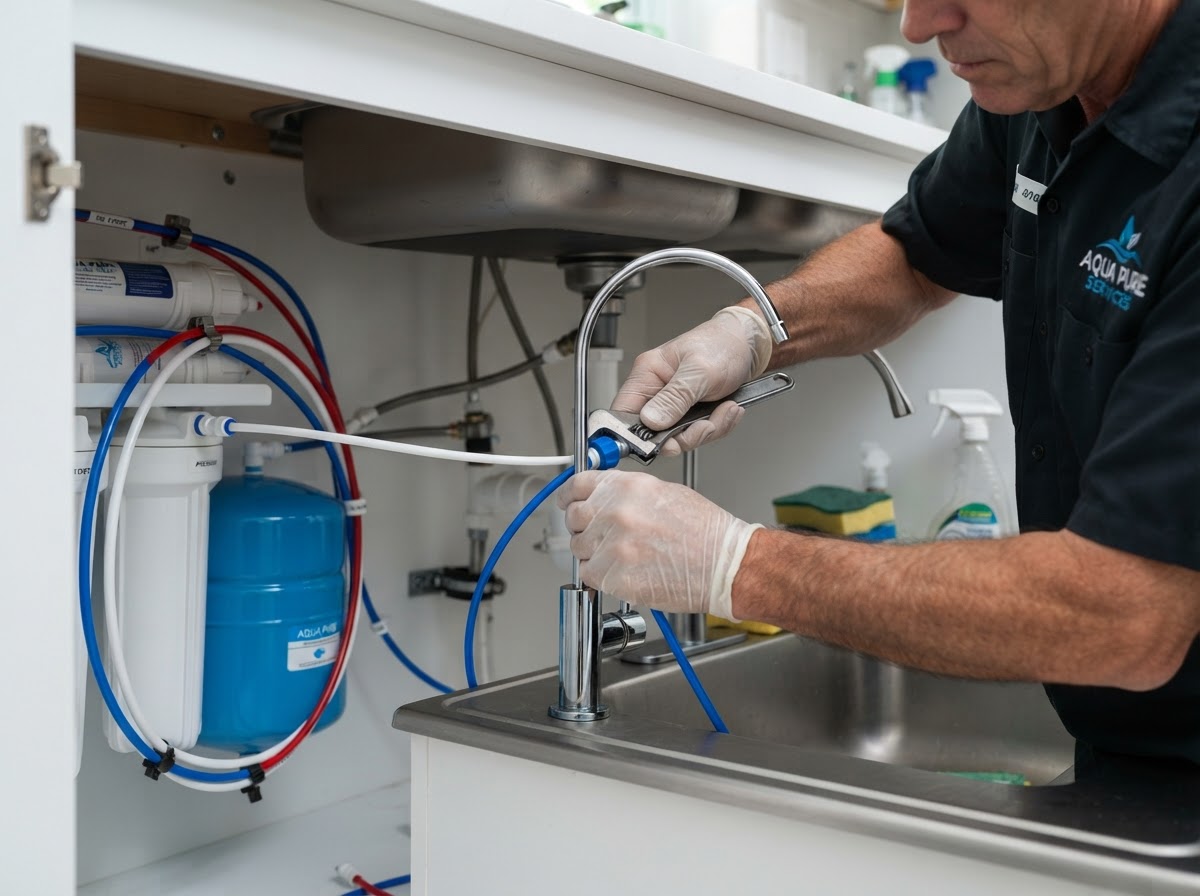
The most effective home technology for PFAS. An under-sink RO membrane rejects the vast majority of PFAS along with up to 98% of other dissolved solids, lead, and fluoride — at the tap where you actually drink and cook.
The practical takeaway
You don't need to panic about PFAS, and you also don't need to settle for 'technically legal' drinking water. An under-sink RO system gives your family bottle-quality water at the kitchen sink, removes the contaminants that matter most for what you ingest, and eliminates the cost and plastic waste of bottled water.
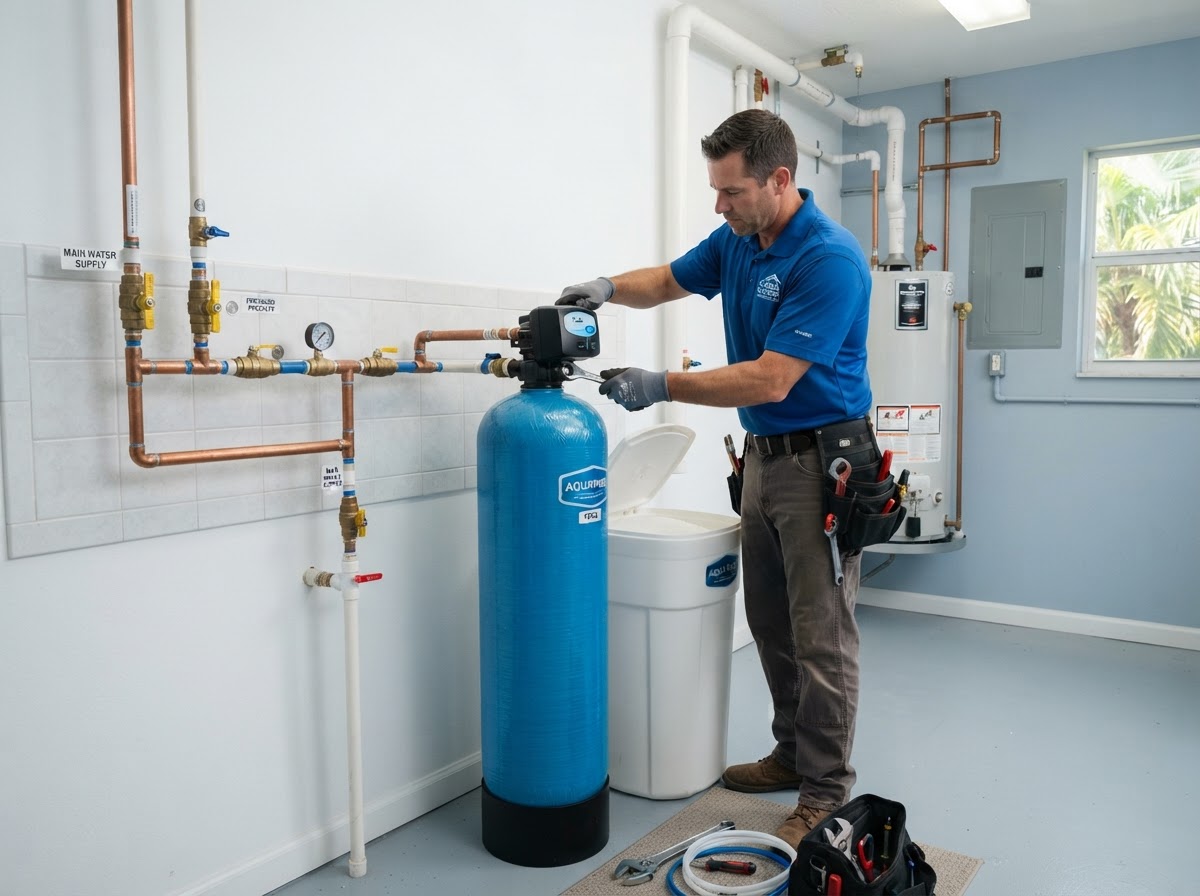
If you're on city water, pairing a whole-home softener (for scale, skin, and appliances) with an under-sink RO (for drinking) is the combination that covers both 'home protection' and 'peace of mind.' We're happy to walk through what that looks like for your home on a free phone call.
Have questions about your water?
Get a free phone quote — no in-home sales presentation required. We’ll explain your options in plain language.
Get My Free Phone Quote